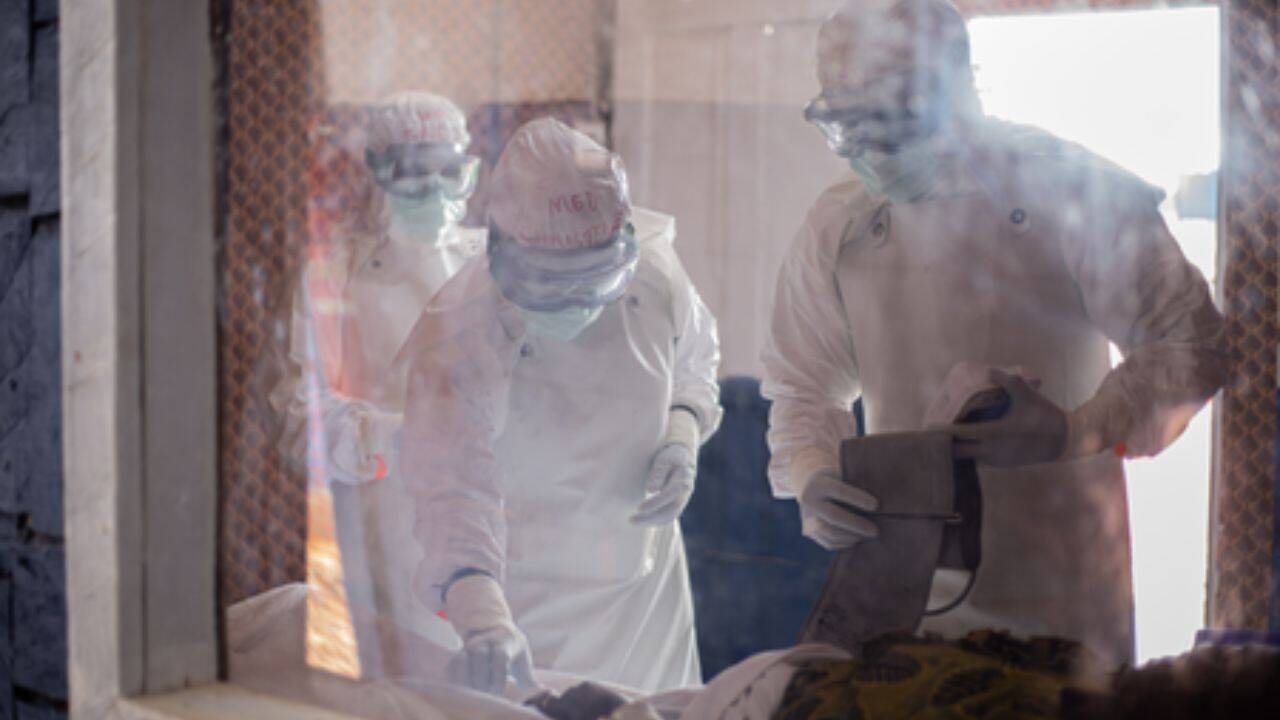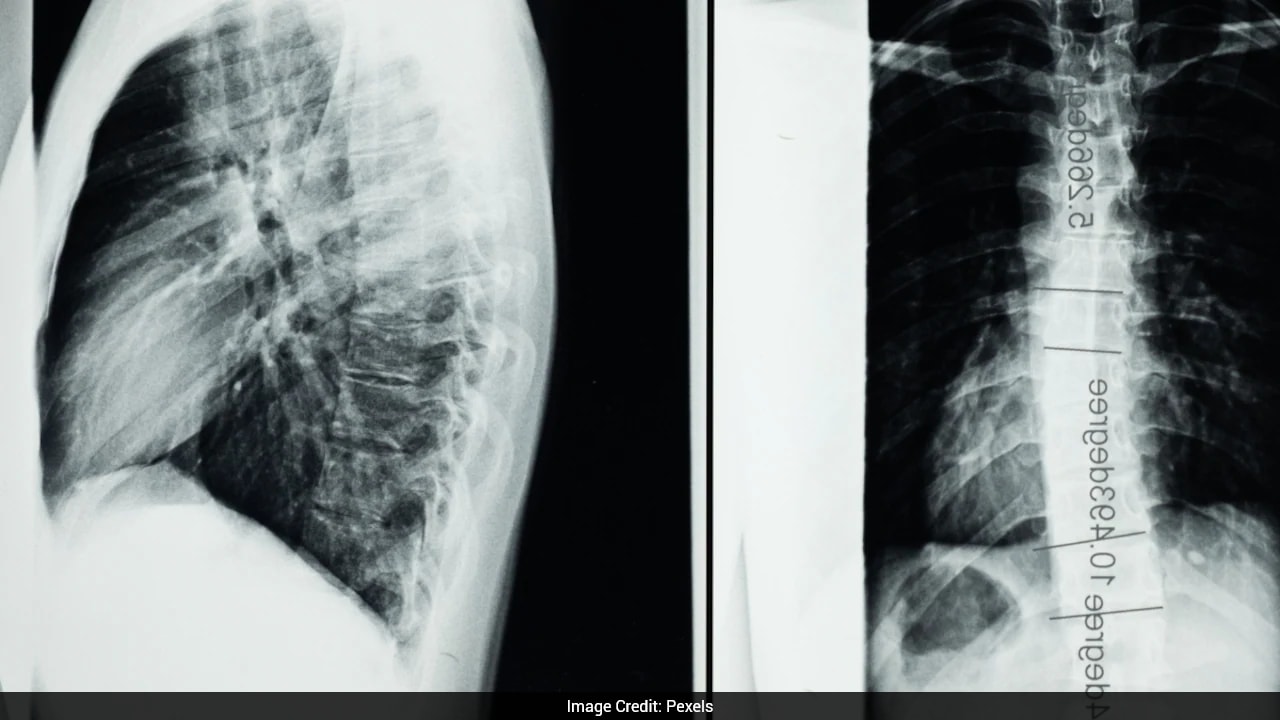
No surgeon on earth has successfully transplanted a human spinal cord. When headlines erupted out of Russia claiming doctors had performed the world's first spinal cord transplant on a paralyzed patient, they conflated experimental tissue grafting with full neural reconnection. While Russian neurosurgeons and researchers have long pursued aggressive, unorthodox interventions for spinal trauma—ranging from peripheral nerve bridging to embryonic tissue implantation—a true, functional spinal cord transplant remains biologically impossible with current medical science.
The gap between the viral headline and surgical reality is massive. To understand why, you have to look at what happens when the human spinal cord is severed, what procedures are actually taking place in Russian clinics, and why sensationalized medical reporting preys on the desperation of paralyzed patients worldwide. Read more on a similar topic: this related article.
Anatomy of an Impossible Surgery
A kidney is plumbing. A heart is a pump. Even a hand transplant, complex as it is, relies on connecting a few dozen major peripheral nerves, blood vessels, and tendons.
The human spinal cord is entirely different. It is a dense, gelatinous superhighway containing roughly one billion neurons and tens of millions of individual nerve fibers, known as axons, packed into a cylinder no thicker than your thumb. Every single one of those axons is mapped to a specific destination. One carries a signal from your motor cortex to twitch your left big toe; another relays the sensation of cold water hitting your right forearm. More reporting by National Institutes of Health highlights comparable views on the subject.
In a hypothetical whole-cord transplant, a surgeon would have to sever millions of axons in a donor cord and millions in a recipient, then align them end-to-end with microscopic precision. Even if a surgeon possessed a magical scalpel capable of cutting without crushing—which does not exist—the human central nervous system actively resists healing.
Unlike peripheral nerves in your arms and legs, which can regenerate over time, central nervous system neurons are locked down by molecular brakes. The moment the spinal cord is injured, specialized support cells called astrocytes rush to the site and form a dense glial scar. This scar acts as both a physical wall and a chemical barrier, secreting inhibitory proteins like Nogo-A that tell severed axons to stop growing.
If you simply sewed two ends of a spinal cord together, you would not get a healed spine. You would get two dead ends separated by scar tissue, starved of blood supply, and instantly targeted by the host's immune system.
What Actually Happened in Russian Operating Rooms
Russian media and state-backed science outlets have a documented history of announcing dramatic neurological breakthroughs that fail to hold up under international peer review. Usually, when a story breaks claiming a "spinal cord transplant" in Moscow or Novosibirsk, the actual procedure falls into one of three distinct, much narrower categories.
1. Peripheral Nerve Grafting and Bridging
Surgeons take a less critical nerve from elsewhere in the patient's body—often the sural nerve from the lower leg—and use it as a biological bridge across a damaged section of the spinal cord. The theory is that peripheral nerves provide a welcoming environment for central axons to grow through. While this technique has been tested globally for decades, it only allows a tiny fraction of fibers to cross the gap, rarely resulting in meaningful voluntary movement below the injury.
2. Olfactory Ensheathing Cell Transplantation
This approach harvests specialized cells from the patient's nasal cavity (olfactory mucosa) or from fetal tissue and injects them into the injury site. These cells naturally support nerve regeneration in the nose and are meant to coax spinal axons into regrowing. Prominent Russian institutions, including the Burdenko Neurosurgery Center and clinics in Novosibirsk, have conducted trials using olfactory cells and fetal stem cells. While some patients report minor sensory improvements or reduced spasticity, this is a cellular injection, not an organ transplant.
3. Vertebral and Structural Replacement
Sometimes, the error lies purely in translation or medical illiteracy on the part of the reporter. Surgeons routinely replace crushed vertebrae—the bony segments protecting the cord—with titanium cages or cadaveric bone grafts. In Russian, the distinction between the spinal column (pozvonochnik) and the spinal cord (spinnoy mozg) is clear to doctors, yet frequently mangled by journalists chasing a viral scoop.
The Legacy of Sergio Canavero and the Novosibirsk Connection
You cannot examine Russian spinal transplant claims without addressing the shadow of Italian neurosurgeon Sergio Canavero and his Russian collaborator, Valery Spiridonov.
In 2015, Canavero announced plans to perform the world's first human head transplant—which inherently requires severing and reattaching a spinal cord. Spiridonov, a Russian computer scientist suffering from Werdnig-Hoffmann disease, initially volunteered to be the first patient. Canavero claimed his protocol, dubbed GEMINI, would use an ultra-sharp diamond blade to minimize axon damage and a chemical called polyethylene glycol (PEG) to fuse the severed nerve cell membranes together like melted wax.
Mainstream neuroscientists tore the proposal apart. The American Association for Neurological Surgeons called it reckless, noting there was zero credible animal data proving PEG could restore complex motor function after a complete spinal transection. Eventually, Spiridonov backed out, and Canavero shifted his focus to animal experiments in China, claiming success on rats and dogs in papers that were widely criticized for lacking basic scientific controls and long-term survival data.
Yet the publicity machine around Canavero left a lasting mark on Russian medical journalism. It normalized the idea that a spinal cord could be cut and pasted back together like film reel, setting the stage for local clinics to market unproven cellular therapies as revolutionary "transplants."
The Dangerous Economics of Medical Hype
Why do these exaggerated stories keep surfacing? Follow the money and the geopolitics.
For decades, Russia has maintained a two-tiered medical system. On one level, you have brilliant, classically trained neurosurgeons operating under severe resource constraints. On another, you have a sprawling, loosely regulated market of private and semi-private clinics offering expensive, experimental stem cell and neural therapies to desperate medical tourists.
When Western regulatory bodies like the FDA or the European Medicines Agency halt a trial because of safety concerns or lack of efficacy, patients with catastrophic spinal cord injuries start looking overseas. A headline proclaiming the "World's First Spinal Cord Transplant" acts as a massive unpaid advertisement. Patients and their families mortgage their homes, launch crowdfunding campaigns, and fly thousands of miles to pay tens of thousands of dollars for procedures that have never been validated in double-blind, placebo-controlled trials.
There is also a distinct geopolitical angle. State-affiliated news agencies routinely amplify domestic scientific claims to project technological dominance, particularly during periods of international isolation. By framing an experimental graft or a routine vertebral reconstruction as a historic world first, outlets score an easy propaganda win. By the time international medical journals point out the discrepancy—if they bother to address it at all—the news cycle has moved on, leaving the false headline permanently indexed on search engines.
Where Real Spinal Cord Science Actually Stands
If a whole spinal cord transplant is fiction, what is actually working in legitimate laboratories right now? The real breakthroughs are not happening with scalpels and donor organs; they are happening with bioengineering and electricity.
Researchers at institutions like the Swiss Federal Institute of Technology (EPFL) and the Mayo Clinic have abandoned the idea of surgically sewing nerves back together in the near term. Instead, they are bypassing the injury entirely using epidural electrical stimulation and brain-computer interfaces.
In landmark studies, paralyzed patients have had electrode arrays implanted directly over the lower spinal cord, below the site of injury. These arrays do not heal the damaged tissue. Instead, they deliver precisely timed electrical pulses that mimic the signals normally sent by the brain, waking up dormant neural circuits in the lower spine. Combined with intense physical therapy, patients with complete motor paralysis have stood up, taken steps with walkers, and regained bladder and bowel control.
Simultaneously, molecular biologists are attacking the glial scar from the inside out. Clinical trials are testing enzymes like chondroitinase ABC, which literally digests the scar tissue blocking axon growth, and antibody therapies designed to neutralize Nogo-A proteins.
Even in the field of cellular therapy, the approach has shifted from crude injections to engineered scaffolds. Scientists are using 3D bioprinting to create microscopic, biodegradable conduits loaded with neural stem cells. The goal is to give regenerating axons physical tunnels to grow through, guiding them across the injury site rather than letting them tangle uselessly in scar tissue.
How to Spot a Fake Neurological Breakthrough
When the next viral headline claims a miracle cure for paralysis, apply a basic journalistic checklist before believing a word of it.
- Look for the journal, not the press release. Legitimate surgical milestones are published in peer-reviewed journals like The Lancet, Nature Medicine, or the Journal of Neurosurgery—not announced exclusively via state television or a clinic's marketing blog.
- Check the timeline of recovery. Nerve axons grow at a glacial pace of roughly one millimeter per day. If a patient undergoes a procedure and claims to walk within weeks, the surgery did not regenerate their spinal cord. They either had an incomplete injury that was already recovering, or they are benefiting from electrical stimulation and physical therapy.
- Demand the ASIA Impairment Scale score. Neurologists classify spinal injuries from Grade A (complete loss of motor and sensory function below the injury) to Grade E (normal). Many clinics trumpet "miracle recoveries" in patients who started at Grade C or D—individuals who already retained partial nerve connections and had a high statistical likelihood of regaining some movement through standard rehabilitation alone.
- Watch for blurred terminology. Be deeply skeptical whenever an article uses the words "transplant," "graft," "stem cell injection," and "implant" interchangeably. In neurosurgery, those words describe fundamentally different procedures with vastly different risk profiles.
True regeneration of the human central nervous system will not happen in a single dramatic operation, nor will it be announced without exhaustive, transparent data verified by independent neurologists around the world. Until a surgical team can demonstrate how they overcame immune rejection, restored microvascular blood flow, and reconnected millions of severed axons across the glial scar, any claim of a human spinal cord transplant remains purely a work of fiction.