The automation of the battlefield is not a distant threat. It is happening now, altering the speed, execution, and political accountability of modern conflict. While defense contractors and military officials pitch algorithms as tools for surgical precision, the reality on the ground is far messy. Software now identifies targets, calculates collateral damage, and coordinates drone swarms with minimal human oversight. This shift reduces the political cost of entering a war while dramatically increasing the risk of accidental escalation.
We have passed the point of debate. The integration of algorithmic decision-making into military operations has outpaced international law, ethical frameworks, and the processing speed of the human brain.
The Software Driving the Kill Chain
Military command structures are quietly replacing human analysis with predictive software. In recent conflicts, we have seen the deployment of targeting systems that scan vast amounts of surveillance data, cell phone records, and social media activity to generate hit lists. These systems do not operate on logic that a human operator can audit in real time. They operate on probabilities.
Consider how a modern targeting pipeline works. A drone captures thousands of hours of video footage. Satellite imagery tracks vehicular movement. Intercepted communications provide audio logs. A human analyst would take days to cross-reference these files. An algorithm does it in seconds, flagging an individual as a high-probability combatant based on pattern recognition.
The danger lies in the rubber-stamp nature of human oversight. When a computer presents a target with a 90 percent confidence interval, a military operator under immense time pressure rarely argues. The human becomes a bureaucrat signing off on a digital death warrant. This strip-mines the traditional laws of war of their intent. Proportionality and distinction require human judgment, empathy, and situational awareness—qualities that cannot be reduced to lines of code.
The Myth of Surgical Precision
Proponents of algorithmic warfare argue that machines are objective. They claim that software lacks fear, anger, or fatigue, which should theoretically reduce civilian casualties. This argument ignores a fundamental truth of computer science. Algorithms are trained on historical data, and historical data is filthy.
If an algorithm trains on data from past conflicts where loose definitions of combatants led to high civilian casualties, the machine learns those flawed parameters. It replicates and accelerates human error. For example, if a system is trained to view any group of military-aged males gathering in a specific zone as an enemy unit, it will systematically target civilians.
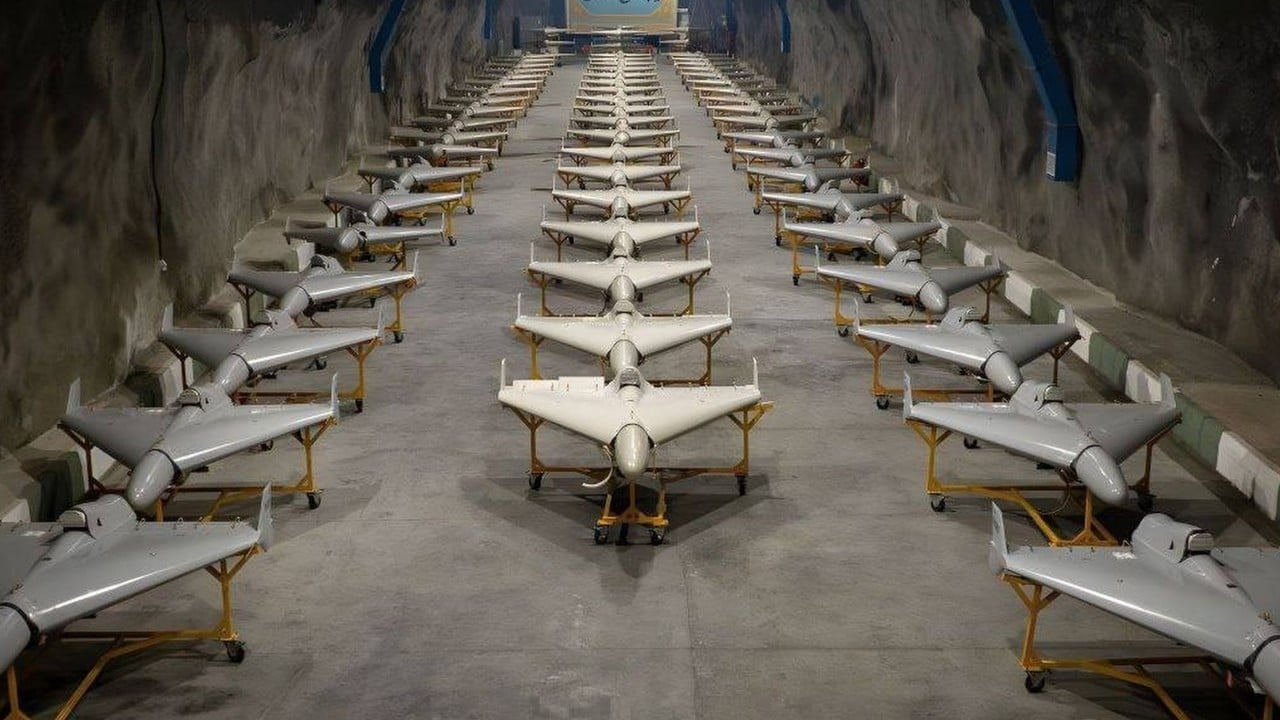
Furthermore, sensor data is imperfect. Mud on a camera lens, poor lighting, or intentional deception by an adversary can cause a system to misidentify a tractor as a rocket launcher. When these systems are linked to loitering munitions—drones that hover over an area waiting for a target to emerge—the window for correcting a mistake closes entirely. The strike happens automatically.
The Escalation Trap at Machine Speed
Wars historically have pauses. Dictators, generals, and presidents wait for diplomatic cables, analyze battle reports, and weigh their options. Algorithmic warfare removes this friction. When two opposing autonomous systems interact, the timeline of conflict compresses from days to milliseconds.
Imagine a hypothetical scenario where an autonomous border patrol drone misinterprets the defensive maneuver of a rival nation's uncrewed aircraft. The drone fires. The opposing system responds instantly with a retaliatory strike. Before a commander in a centralized bunker even receives the first alert, an entire regional skirmish has triggered. Humans are relegated to post-incident reporting.
This speed creates an unstable strategic environment. Deterrence relies on clear communication and predictable reactions. When algorithms manage the response matrix, predictability vanishes. A software bug or a weird edge case in the code could trigger a shooting war that neither nation actually wanted.
The Problem of Flash Wars
Financial markets have flash crashes when algorithmic trading programs feed into each other's panic, erasing billions of dollars in seconds. A flash war operates on the same mechanic but with live ammunition.
Defense departments are rushing to field autonomous systems precisely because they fear the enemy will do it first. This creates a classic prisoner's dilemma. No one wants to cede the speed advantage, so everyone removes the human safety catches. The result is a global race toward a destabilized defense architecture where no one truly controls the trigger.
The Disappearance of Accountability
When a human soldier commits a war crime, a legal framework exists to prosecute them. Command responsibility dictates that officers are liable for the actions of their subordinates. Algorithmic warfare fractures this structure entirely.
If an autonomous drone strikes a hospital, who is to blame?
- The drone operator who turned the system on?
- The commander who authorized the mission parameters?
- The software engineers who wrote the targeting code?
- The defense contractor that sold the system?
Everyone has plausible deniability. The operator blamed the machine. The engineer blamed the training data. The contractor blamed improper field maintenance. In the end, the blame lands nowhere, leaving the victims without recourse and breaking the mechanisms of international accountability.
This accountability vacuum is highly attractive to political leaders. It allows for grey-zone warfare—operations that can be denied, shrugged off as technical glitches, or attributed to rogue code. It lowers the barrier to entry for violence, making conflict a low-risk political option for governments that want to project power without risking the lives of their citizens or facing the backlash of a body-bag count.
The Democratization of Digital Terror
The capability to deploy autonomous violence is no longer restricted to superpowers with massive defense budgets. The technology has leaked.
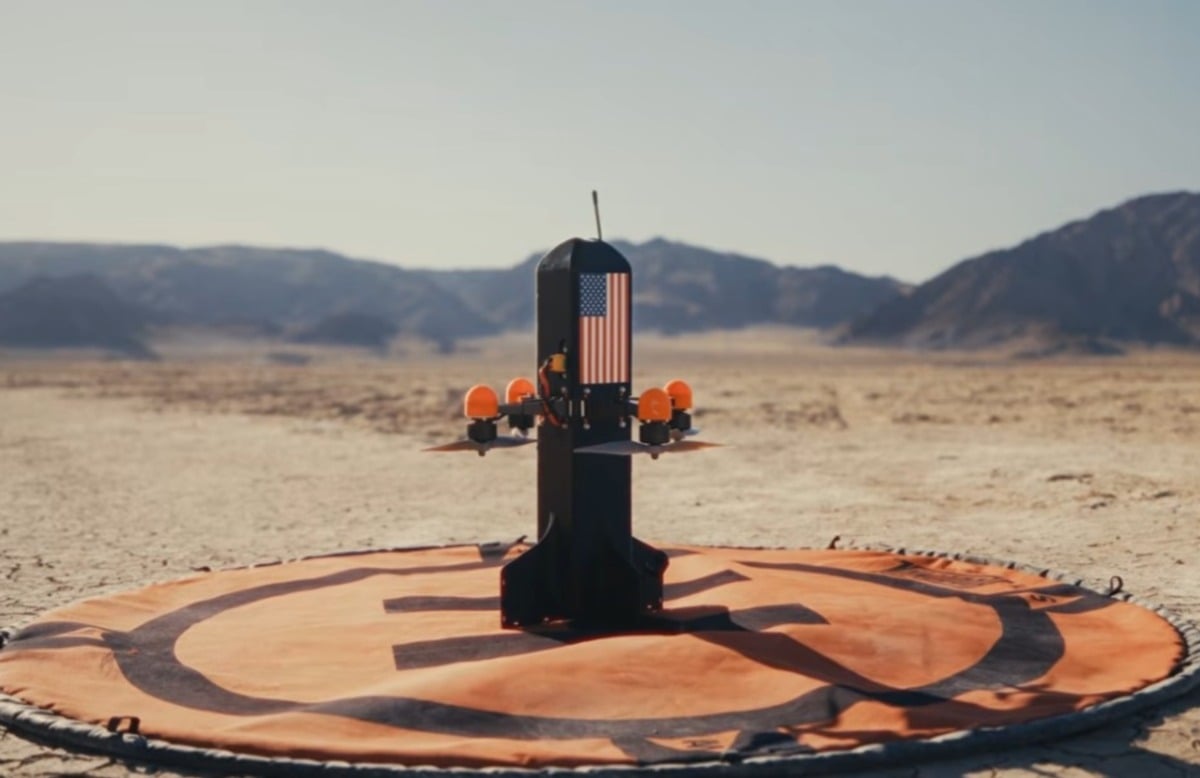
Open-source artificial intelligence models, off-the-shelf commercial drones, and cheap 3D-printed components allow non-state actors, insurgent groups, and criminal cartels to build their own rudimentary autonomous weapons. You do not need a billion-dollar laboratory to configure a drone to recognize a specific face or a corporate logo and detonate an explosive charge upon contact.
The Cheap Tech Asymmetry
A trillion-dollar military infrastructure can be ground to a halt by a swarm of five-hundred-dollar drones running localized computer vision software. We are seeing this play out in shipping lanes and localized conflicts across the globe. Heavy armor, aircraft carriers, and traditional air defense systems are poorly equipped to handle dozens of tiny, decentralized targets attacking simultaneously from different angles.
This asymmetry flips the economics of warfare. It costs millions of dollars to fire a defensive missile to intercept a drone that cost less than a smartphone. The financial and operational sustainability of modern militaries is crumbling under the weight of this math.
The Fiction of the Off Switch
We are told there will always be a human in the loop. This is a comforting lie designed to placate ethics boards and parliamentary committees.
As drone jamming tech becomes standard on every battlefield, autonomous systems lose their connection to human operators. If a drone loses its radio link in enemy territory, it has two choices: crash, or switch to full autonomy to complete its mission. Militaries are not going to build expensive weapons that turn themselves off the moment the signal drops. They choose autonomy.
The "human in the loop" becomes an illusion the moment the first radio jammer is flipped on. The machine is left to decipher the chaos of the battlefield on its own, guided only by code written months earlier by people sitting in air-conditioned offices thousands of miles away. Conflict becomes cold, automated, and entirely detached from human consequence.