You can tell a lot about a country’s economic anxiety by looking at its butcher counters. In Brazil, that anxiety has a specific name and a thick layer of fat on top. Picanha isn't just a cut of beef. It’s a cultural touchstone, a weekend ritual, and, as recent elections proved, a brutal political measuring stick.
When President Luiz Inácio Lula da Silva ran for office years ago, he made a promise that resonated across every social class in the country. He told voters they would reclaim the right to eat picanha and drink beer on the weekend. It sounds simple, almost folksy, but it was an explicit pledge about purchasing power, dignity, and working-class prosperity. Fast forward to the high-stakes political showdowns, and that exact promise turned into a weapon used by his opponents to bludgeon his administration over stubborn inflation.
The Meat Behind the Rhetoric
Why picanha? You won't find this exact cut butchered the same way in standard American supermarkets. Known as rump cap in English, it features a distinct triangular shape capped with a thick layer of fat that renders down during grilling, keeping the meat remarkably tender. For Brazilians, firing up the churrasqueira for a Sunday picanha session represents a baseline of middle-class comfort.
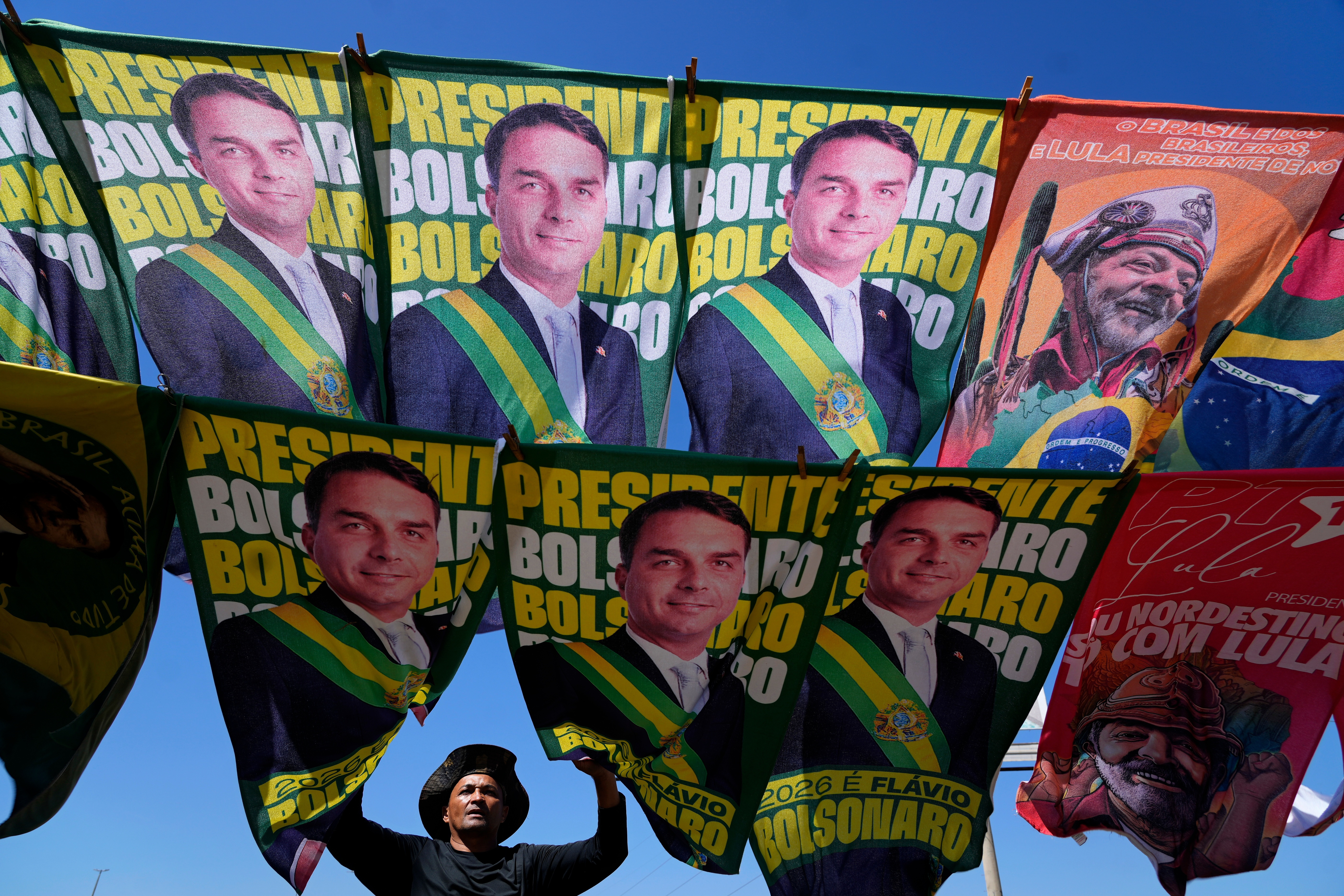
When inflation spikes, picanha becomes the canary in the coal mine. Opposition figures like Senator Flávio Bolsonaro took full advantage of this symbol during campaign cycles, filming videos inside supermarkets to track how prices had surged from previous years. When a kilogram of premier beef climbs significantly, it hurts. It transforms grocery shopping from a routine chore into a monthly stress test.
Politicians know that complex inflation metrics and GDP growth percentages mean little to an ordinary voter standing at the meat counter. But a steep price tag on a cut of beef? Everyone understands that immediately. It translates macroeconomics into an empty grill.
How Cost of Living Shapes Ballot Boxes
Elections are rarely won on abstract policy papers. They are won on visceral, everyday experiences. When voters head to the polls, they think about what they can afford to put on the table.
During recent campaigns, the economic reality was messy. While macroeconomic data showed certain stabilizing trends, the psychic wound of post-pandemic inflation lingered. Food prices didn't just rise; they stayed high enough to squeeze household budgets. Opposition strategists weaponized social media algorithms, flooding feeds with side-by-side price comparisons of Brazil's favorite steak to undermine the incumbent administration's claims of working-class advocacy.
This strategy worked because it tapped into a genuine frustration. Voters felt the pinch every single time they went shopping. For an administration that built its brand on putting food back on the plates of the poor, any failure on this front carried a heavy political cost.
Moving Past Political Marketing
If you want to understand modern political communication in Latin America's largest democracy, look past traditional televised debates. Look at viral supermarket videos and digital mobilization networks. Both the left and the right mastered the art of turning cultural symbols into political artillery.
Yet, treating a prime cut of beef as a political bellwether also highlights the limits of populist rhetoric. No single politician controls global supply chains, feed grain prices, or currency exchange rates that dictate export demand for Brazilian beef. Premium cuts often fetch high prices on international markets, pulling local prices up with them.
Next time you look at how food economics dictate election outcomes, remember that symbols matter because people care about what they represent. Picanha remains a powerful barometer of national well-being precisely because it sits at the intersection of culture, class, and survival. Pay attention to what ordinary goods cost when voters head to the voting booth, and you'll rarely be surprised by the result.
Picanha prices and politics: What Brazil's favorite steak says about the election
This video provides additional context on how the rising cost of everyday items and meat has created ongoing challenges for political leaders trying to connect with working-class voters.