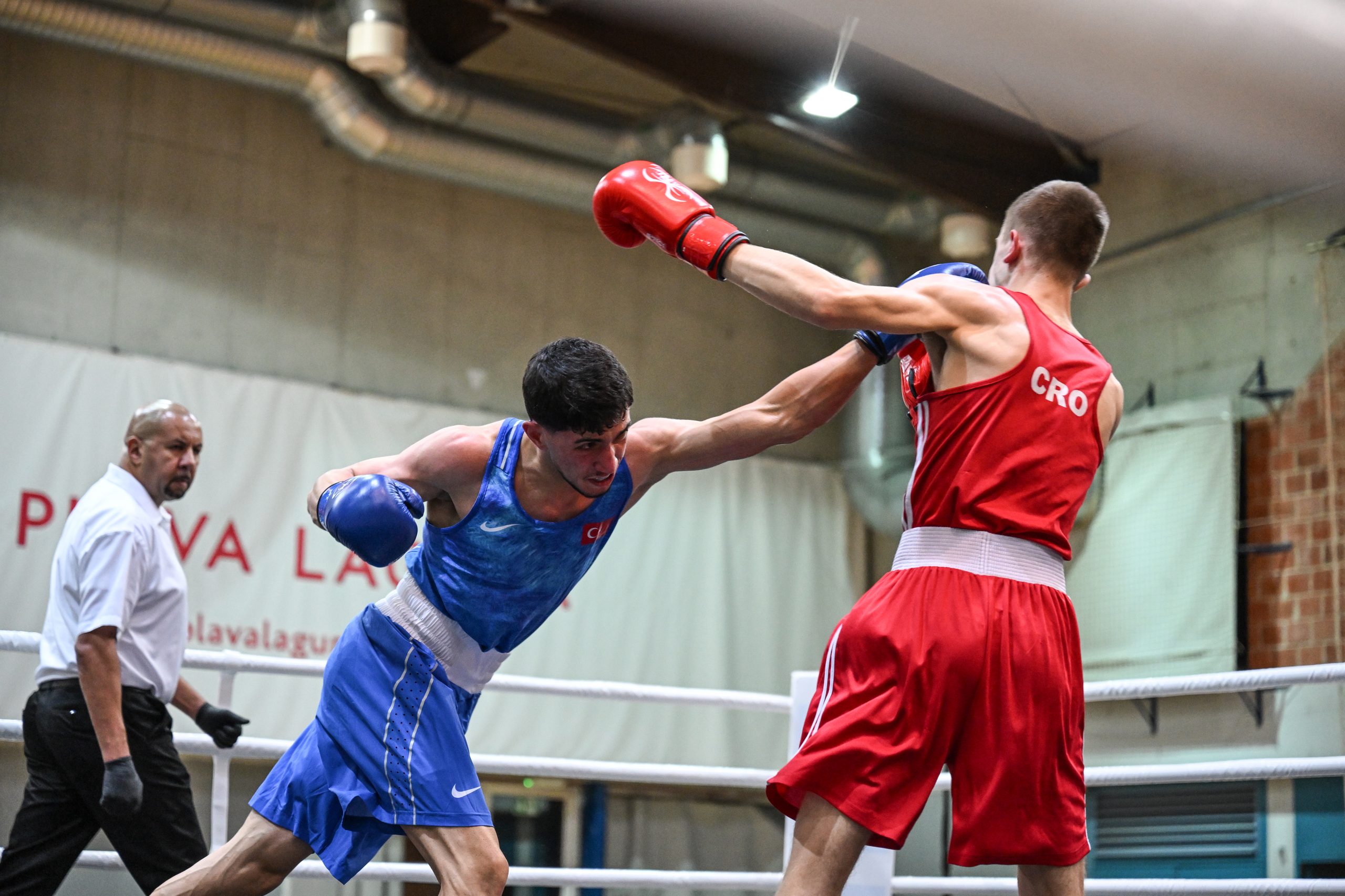
When a thirty-one-year-old professional athlete dies three months after stepping out of the ring, the headlines usually treat it like a freak accident. They shouldn't. The passing of Irish boxer Lee Reeves isn't an isolated tragedy that came out of nowhere, nor is it just another sad footnote in a brutal business. It's the predictable result of a sport that still treats delayed brain trauma like an inconvenience rather than an emergency.
Most fans only pay attention when a fighter collapses on the canvas under bright television lights. That's the dramatic version of danger we've been conditioned to recognize. Yet anyone who has actually spent time around boxing gyms, commission medical boards, or neurotrauma clinics knows the real threat often hides in the weeks and months after the final bell. Lee Reeves was thirty-one. He was from Limerick, a city with deep, proud roots in Irish amateur and professional boxing. He fought out of a tradition that prizes toughness above almost everything else, and he died three months after sustaining the injuries that ended his career and ultimately his life.
You don't need a medical degree to see what's broken here, though the science makes the picture even harder to stomach.
Why Delayed Brain Injuries Kill Boxers Months After the Fight
People always ask how a fighter can walk out of an arena, go home, and still lose their life ninety days later. It sounds impossible if you think of a concussion like a bruised shin that just fades with ice and rest. Brain trauma doesn't work like that.
When a boxer takes repeated sub-concussive blows over eight, ten, or twelve rounds—even without getting knocked cold—the brain shifts inside the skull. Tiny bridging veins stretch and tear. Sometimes you get an immediate acute subdural hematoma, which puts a fighter on an operating table before the main event even starts. Other times, blood leaks slowly, or diffuse axonal injury triggers a cascading inflammatory response that swells tissue over days and weeks.
I've watched ringside doctors clear fighters after a ten-round war just because the guy could count backward from one hundred and touch his nose without swaying. That standard is a joke. Passing a five-minute neurological check in a noisy dressing room tells you almost nothing about whether micro-bleeding has started deep inside the cranial vault. By the time headaches turn into slurred speech, confusion, or catastrophic pressure weeks later, the window for simple intervention has often slammed shut.
Who Was Lee Reeves and What Made His Career Different
If you followed Irish boxing closely over the last decade, you knew the name Lee Reeves long before the tragic news broke. Coming out of Limerick, he carried the classic traits of a southpaw technician who loved the craft. He wasn't some reckless brawler looking for a quick payday on a Friday night club show.
Reeves transitioned from the Irish amateur ranks into the paid circuit with real ambition, fighting across Ireland, the UK, and North America. He held regional titles, put together a solid professional record, and trained with the kind of obsessive discipline that defines mid-tier and rising contenders trying to break onto major broadcast cards. Honestly, guys like Lee Reeves are the backbone of professional boxing. They aren't making thirty million dollars a fight in Riyadh or Las Vegas. They're grinding through twelve-week camps, cutting fifteen pounds of water weight, and taking dangerous fights on hostile turf just to move up four spots in the rankings.
That context matters. When a top-five heavyweight gets hurt, there's an army of specialists, private MRIs, and immediate media scrutiny. When a thirty-one-year-old regional contender suffers serious injuries, the safety net gets much thinner, much faster.
The Hidden Danger of the Weight Cut
You can't talk about why a thirty-one-year-old fighter succumbs to ring injuries without talking about dehydration. Every experienced trainer knows this, even if nobody wants to admit it on camera before a weigh-in.
To make weight twenty-four or thirty-six hours before a bout, boxers strip water from their bodies through saunas, sweat suits, and severe fluid restriction. Rehydrating brings the scale weight back up, sure. It does not fully restore the cerebrospinal fluid cushion surrounding the brain inside the skull within a single day. Medical researchers at institutions like the Cleveland Clinic and the Association of Ringside Physicians have pointed out for years that a dehydrated brain sits closer to the bone, absorbing exponentially more rotational force from every hook and uppercut.
Think about that for a second. Fighters are stepping into a twelve-round fistfight with a measurably thinner shock absorber protecting their central nervous system. Then we act shocked when a routine punch causes damage that spirals out of control months later.
What Boxing Commissions Still Get Wrong About Post-Fight Care
Here is the uncomfortable truth about professional boxing regulation. Once a bout ends and the promoter packs up the ring apron, institutional responsibility basically evaporates.
In almost every major jurisdiction—whether you're looking at the British Boxing Board of Control, the Boxing Union of Ireland, or state athletic commissions across the United States—medical oversight focuses heavily on pre-fight clearance. Commissions require annual MRIs, eye exams, blood panels, and electrocardiogram tests before issuing a license. That sounds thorough on paper. In practice, it creates a dangerous illusion of safety.
Once the fight is over, what happens?
- Immediate ringside checks rely mostly on pupil dilation, basic balance tests, and self-reported symptoms from a fighter whose adrenaline is still masking severe pain.
- Medical suspensions are routinely handed out for thirty, sixty, or ninety days after a knockout or a tough decision loss, yet enforcement is passive. Nobody is knocking on a boxer's door three weeks later to verify they got a follow-up scan.
- Post-fight MRI protocols aren't mandatory after grueling fights unless a boxer loses consciousness or exhibits obvious motor failure in the ring.
- Financial burdens fall directly on the athlete or small-time managers, meaning a fighter nursing a bad headache two weeks after a bout might avoid the emergency room because they don't want to trigger a six-month medical suspension that kills their next paycheck.
Look at how backward that incentive structure is. A boxer who admits to lingering dizziness or light sensitivity gets punished with inactivity and lost income. So they stay quiet, push through light sparring, and hope the fog clears on its own.
The Myth That Toughness Protects You in the Ring
Boxing culture has a fatal flaw baked into its DNA. From the very first day a kid wraps their hands in a local gym, they're taught to hide pain. You don't drop your hands when a body shot hurts. You don't wince when a jab snaps your head back. You certainly don't tell your corner between rounds that your vision looks blurry unless you want the towel thrown in.
That stoicism makes for unforgettable sports drama. It also kills people.
Lee Reeves came up in a boxing environment where heart and resilience are the highest currency. Nobody survives the Irish amateur system or travels abroad to fight tough opposition without an extraordinary pain threshold. Yet that exact trait becomes lethal when brain trauma enters the picture. A fighter conditioned to ignore alarms in their own body will rationalize symptoms that would send an ordinary person straight to urgent care. A persistent migraine gets blamed on a stiff neck. Trouble sleeping gets blamed on coming down off adrenaline. Irritability or mild memory slips get brushed off as normal post-fight fatigue.
By the time three months pass, what started as a manageable complication can turn irreversible.
How Boxing Can Actually Prevent Another Tragedy Like Lee Reeves
Mourning Lee Reeves with social media tributes and ten-bell salutes at weekend fight cards feels respectful, yet it doesn't save the next thirty-one-year-old fighter walking into a six-round or ten-round scrap next month. If promoters, sanctioning bodies, and gyms actually want to honor fighters who gave everything to the sport, the fixes aren't mysterious or unaffordable.
First, mandatory post-fight neuroimaging needs to become standard after any bout involving high punch volume, knockdowns, or late-round stoppages—not just overt knockouts. Portable MRI technology and rapid-scan clinics exist right now. Promoters pulling millions from broadcast rights and gate receipts can easily fund a mandatory forty-eight-hour post-fight scan as a baseline cost of doing business.
Second, athletic commissions must establish active thirty-day and sixty-day neurological check-ins for any fighter placed on a medical suspension. A simple telehealth screening with a sports neurologist, paired with cognitive baseline testing like ImPACT, catches delayed symptoms long before they become fatal.
Third, fighters need guaranteed medical insurance that covers post-bout neurological care without penalizing them financially. If a boxer knows their medical bills are covered and a stipend protects them during a mandatory recovery window, they won't hide symptoms just to stay on a promoter's radar.
If you train, coach, manage, or compete in combat sports, stop waiting for sanctioning bodies to fix this for you. Take baseline cognitive tests before every camp. Never brush off a headache that lasts more than forty-eight hours after sparring or a fight, no matter how minor the session felt. Demand a follow-up scan after any war, even if the commission doctor cleared you in the locker room. Lee Reeves deserved a long life outside the ropes after giving his best years to boxing, and the only way his death means anything is if fighters and corners finally stop treating brain injuries like something you can just tough out.