Every single time a tropical system loses its punch on paper and still wrecks a community, the headlines run the exact same lazy script. Newsrooms wheel out the tired tragedy narrative about a weakened storm catching people off guard, as if wind speed charts are moral documents and category numbers tell the whole story. Four people died when Isaias pushed through the Southeast, and the consensus blamed the downgrade. That is a comforting fiction. It lets city planners, utility boards, and emergency directors off the hook by pinning catastrophic outcomes on meteorology rather than municipal malpractice.
Let us get the physics straight before we discuss the human failure. When a storm makes landfall or interacts with land friction, its sustained winds drop. Meteorologists measure this drop and reclassify the system. Bureaucrats see a lower number and instantly downgrade their threat matrix. But a storm shedding wind speed does not mean it is shedding energy or water. Isaias was an asymmetric torque machine, pumping high-velocity moisture bands thousands of miles from its decaying center. Treating a tropical system like a singular point on a map is structural ignorance.
I have walked the debris fields of storms that supposedly lacked teeth. I have watched billions of dollars in real estate flood because local zoning boards treated century-old flood plains like prime suburban expansion zones. When Isaias rolled through, it did not assassinate four people because it caught them sleeping under open windows. It killed them because our infrastructure is built on a foundation of optimistic math and deferred maintenance.
Look at the power grid response. Utilities love to hide behind fallen trees, acting as though a hardwood branch snapping in forty-mile-per-hour gusts is an act of God. It is not. It is an act of budget allocation. When companies spend decades pocketing infrastructure modernization funds while short-changing basic canopy clearance near transmission lines, every storm becomes a crisis. Calling Isaias weakened was a PR gift for executives who did not want to explain why their grids failed under conditions that should have been routine.
The lazy consensus around these events relies on a specific emotional manipulation. We are told to marvel at the raw, unpredictable fury of the elements. This romanticizes incompetence. The elements are entirely predictable. Water fills low points. Trees fall when roots rot in waterlogged soil. Power lines snap when weight exceeds engineering thresholds. None of this requires a crystal ball; it requires a spreadsheet and the political will to spend money on things that do not flash or blink.
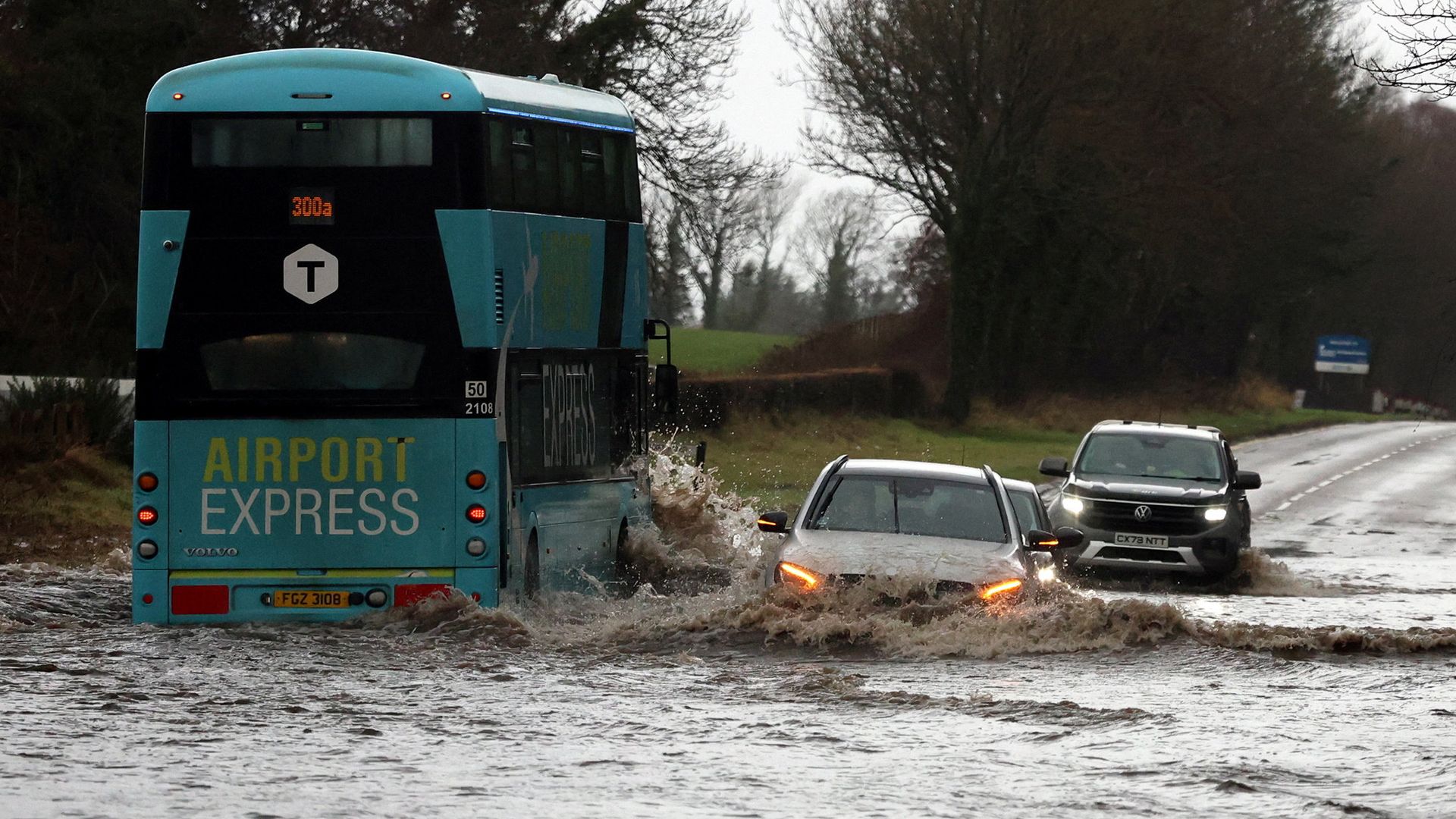
People ask why warning systems failed to prevent these tragedies, operating under the assumption that better alerts equal better outcomes. That question misses the root rot entirely. An alert system is useless when the physical reality of a neighborhood makes evacuation a death trap or shelter impossible. We have built environments where a moderate rain event cuts off access routes before the winds even peak. Pushing out a faster text message does not fix a structurally flawed drainage ditch.
The uncomfortable truth is that a downgraded storm is often more dangerous than a major hurricane because it induces collective hubris. When a Category Four approaches, people hunker down, buy generators, and clear the yard. When a tropical storm rolls in with a mild reputation, people drive into flooded intersections, leave heavy lawn furniture on balconies, and assume municipal drainage will handle the load. The storm did not trick anyone. Our risk calibration tricked us.
Fixing this requires abandoning the illusion that we can engineer our way out of climate volatility with better emergency press conferences. Municipalities need to stop writing zoning permits for flood zones. Utility companies need to be fined out of existence when their networks collapse under standard seasonal pressure. Until we stop treating routine tropical moisture as an unprecedented surprise, every downgraded system will keep exposing the rot underneath our pavement.
Stop waiting for a stronger warning. Start demanding better engineering.