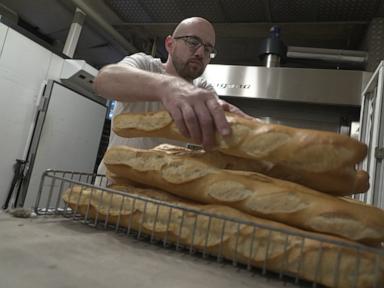
Every time heating oil ticks upward by a few cents, the media machine grinds into motion with the exact same tired narrative. Artisanal bakers in rural France are getting squeezed, energy costs are breaking the traditional oven, and centuries of culinary heritage are vanishing under a cloud of high utility bills. It makes for a sympathetic headline. It also happens to be completely wrong.
I have spent years inside European manufacturing economics, watching traditional trades blame macroeconomic ghosts while ignoring their own operational rot. Energy volatility is real, but pinning the structural decline of the neighborhood bakery on fuel spikes is an insult to basic arithmetic. If a ten percent swing in heating oil destroys your margin, energy was never your problem. Your cost structure was broken long before the meter started spinning.
Let us dismantle the lazy consensus.
The Energy Alibi
The standard press narrative treats the Parisian or provincial artisan as a passive victim of global commodity markets. Bakers buy flour, burn oil, and sell bread at government-approved or socially mandated price points. When oil surges, margins evaporate. Simple, tragic, inevitable.
Except it ignores how modern food supply chains actually operate.
Energy represents a fraction of total overhead for a high-volume bakery, yet traditionalists cling to the fuel excuse because admitting operational inefficiency requires an uncomfortable mirror. When you look at the books of shops failing across France, the bleeding rarely starts at the burner. It starts in labor utilization, archaic supply procurement, and a stubborn refusal to modernize batch economics.
Blaming the boiler is much easier than admitting you have three people hand-kneading dough that could be managed through cold-fermentation scheduling and energy-efficient rotary racks. The bakers surviving and thriving right now are not the ones crossing their fingers for subsidized diesel. They are the ones treating baking as a high-precision chemical and logistical business rather than a romantic 19th-century LARP.
Margin Realities Versus Romantic Fiction
The romanticized view of the French bakery demands a guy waking up at two in the morning, shoveling coal or pumping oil into an ancient cast-iron beast, and pulling warm loaves from the mouth of a roaring dragon. It is picturesque. It is also financial suicide in a modern European economy.
Let us look at the unit economics. A traditional hearth oven loses massive amounts of thermal energy through poor insulation and continuous idling. When fuel prices spike, the inefficiency penalty gets magnified tenfold. But instead of upgrading thermal retention, retrofitting burners, or optimizing bake cycles, the trade associations lobby for state intervention. They want price caps. They want cash injections. They want everyone else to subsidize their thermal leakage.
That is not heritage preservation. That is corporate welfare for bad engineering.
Imagine a scenario where every bakery was forced to upgrade its insulation standards and shift to off-peak electrical thermal storage instead of clinging to legacy heating oil setups. The fuel price shock would dissolve into a rounding error. The bakers crying the loudest about energy inflation are usually the ones running equipment that belongs in a museum rather than a commercial kitchen.
The Real Threat is Not the Oil Barrel
If you want to know why artisanal French baking faces a genuine existential crisis, look at labor demographics, real estate pressures, and changing consumer habits.
Young workers are not lining up to work seventy hours a week for stagnant wages in damp basements just to keep up appearances for tourists. Urban rents have skyrocketed, pushing independent shops out of high-density neighborhoods where volume could offset fixed costs. Meanwhile, supermarket chains and industrial bakeries have mastered frozen-dough technology, delivering a decent enough baguette at half the price and twice the convenience.
None of those problems disappear if heating oil drops back to zero tomorrow.
Pretending that a temporary energy squeeze is the primary executioner of the baguette is a convenient distraction. It protects egos and avoids hard conversations about automation, pricing power, and the evolution of food retail. An artisan who refuses to charge what a real loaf of bread actually costs to produce in the twenty-first century is already out of business; they just haven't stopped moving their hands yet.
Stop crying over the heating bill. Fix the bakery.