The moral panic surrounding machine learning tools often ignores a fundamental reality. For millions of individuals living with disabilities, artificial intelligence is not a shortcut or a threat to intellectual integrity. It is an essential utility for basic participation in modern society. The conversation frequently focuses on academic dishonesty or job displacement, yet these perspectives originate from a position of privilege that assumes a baseline of functional capability. When we demand that everyone perform intellectual or administrative tasks under the same rigid conditions, we institutionalize exclusion.
The Myth of Equal Playing Fields
We operate under the dangerous assumption that cognitive and sensory environments are neutral. They are not. A person with executive dysfunction, visual impairment, or motor control challenges faces a series of daily hurdles that others simply do not see. These barriers act as a tax on time and energy. When a software program automates the structuring of a disorganized thought or provides real-time audio descriptions for text, it does not bypass human effort. It removes a mechanical barrier.
The resistance against these tools often mirrors historical objections to previous assistive technologies. When voice-to-text transcription first arrived, critics labeled it a lazy substitute for traditional dictation. When screen readers became sophisticated enough to navigate complex web layouts, skeptics worried about the erosion of literacy. History consistently demonstrates that what begins as an accommodation for a specific group eventually raises the floor for everyone else. Accessibility is rarely a zero-sum game.
Concrete Mechanisms of Accessibility
To understand why these tools are vital, consider the hypothetical scenario of a professional with severe dyspraxia. Writing a long-form report is not merely a task of generating ideas; it is a physical struggle against input methods that do not align with their neurology. Using a language model to organize dictated, scattered fragments into a cohesive document is not cheating. It is adaptive strategy. The intellectual labor resides in the editing, the fact-checking, and the final decision-making—the parts of the work that require human judgment.
Similarly, consider someone with chronic fatigue syndrome or sensory processing sensitivities. Bright screens, complex interfaces, and the cognitive load of navigating traditional search engines can trigger physical symptoms. AI-driven agents that summarize information, prioritize key data, and strip away cluttered user interfaces serve as a prosthetic for cognitive load management. These tools allow individuals to direct their limited energy toward high-value analysis rather than wasting it on the friction of digital navigation.
The False Dichotomy of Human vs Machine
Critics argue that outsourcing tasks to software diminishes the human experience. This argument rests on a romanticized version of labor that ignores how much of our daily work is already mediated by technology. We use calculators to avoid arithmetic errors. We use spellcheckers to correct typographical slips. We rely on GPS because our internal maps are inadequate. Why do we suddenly draw a hard line when the software performs syntax correction or data synthesis?
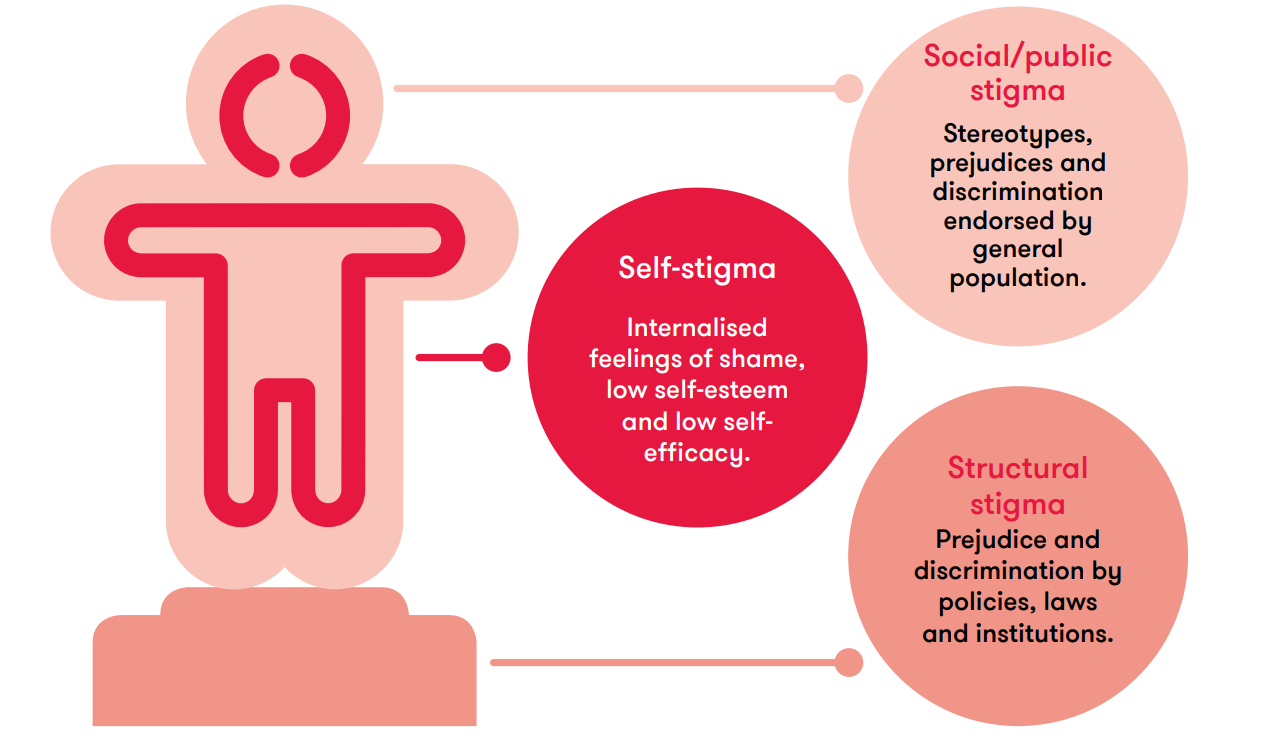
The anxiety stems from a fear that machine output is indistinguishable from human thought. However, users who rely on these tools for accessibility reasons rarely view the output as a finished product. They view it as a draft, a scaffold, or a starting point. They remain the architects of the content. By stigmatizing the use of these tools, society places an unfair burden on those who have the most to gain. We essentially tell individuals that if they cannot perform a task in the traditional, unassisted way, they should not perform it at all.
Economic and Social Consequences of Exclusion
When we dismiss the importance of AI in accessibility, we create a participation gap. Companies that ban these tools outright, or foster a culture of shame around their use, inadvertently discriminate against neurodivergent staff and those with physical disabilities. They demand a specific style of output that ignores the reality of human diversity.
Consider the hypothetical case of an entry-level researcher struggling with the sheer volume of daily document processing. Without an AI assistant to parse these files, the researcher might fall behind, facing performance reviews or termination. With the tool, they perform at an exceptional level. The organization gains a valuable worker, and the worker retains their livelihood. Yet, if the culture defines this assistance as "unfair," the company loses out on top-tier talent simply because that talent requires a non-standard method to access their potential.
Rethinking the Baseline
We must stop treating AI as a luxury for the able-bodied and start treating it as a prerequisite for inclusive environments. This requires a shift in how institutions measure success. If a student or an employee produces work that meets all the criteria of quality, clarity, and accuracy, the process used to get there should be secondary to the outcome. When we obsess over the method, we prioritize tradition over accessibility.
The industry needs to move past the binary of "cheating versus hard work." We need to start asking how we can integrate these tools to create more equitable workflows. That means investing in training that teaches people how to verify the outputs they generate. It means developing interfaces that are inclusive by default, rather than as an afterthought.
The tools are already here. They are being used to bypass the limitations imposed by a world that was never designed with accessibility in mind. As we move forward, the question should not be whether these tools are ethical to use, but how we can refine them to ensure they empower the widest possible range of human capabilities. The stigma is the real obstruction, not the algorithm. True innovation is found in the ability to bridge the gap between human potential and structural reality. Start by evaluating the barriers your own standards impose on those who think or interact with the world differently. Remove the friction, and the results will speak for themselves.