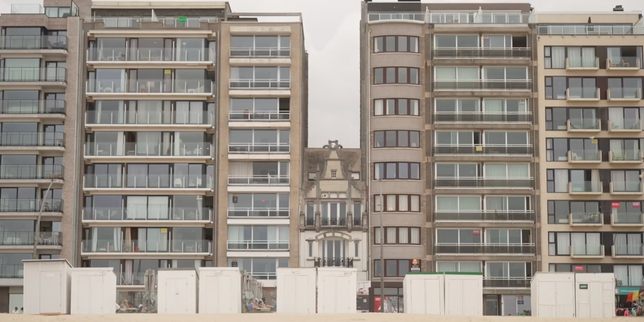
Walk along Belgium's 67-kilometer North Sea shoreline and you'll quickly spot the real estate battle playing out in brick, timber, and glass. Developers want sea views and high-margin apartments. Preservationists want to save fragile turn-of-the-century villas that aren't always legally locked down.
Across the entire coast, only a tiny fraction of historic Belle Epoque homes survives. A single demolition permit in a town like De Panne (La Panne) or an uncoordinated rebuild anywhere else chips away at a golden era that turned sleepy fishing villages into fashionable resorts between roughly 1870 and 1914.
Honestly, this isn't just a fight between greedy builders and sentimental historians. It's a collision of strict energy rules, steep renovation costs, shifting tax incentives, and patchy heritage protections. If you care about coastal architecture—or if you're thinking about buying along the Belgian shore—you need to look past the romantic postcards and see what's actually driving these bulldozers.
What Makes Belle Epoque Coastal Villas Different
Before talking about real estate pressure, it helps to know what you're looking at. These houses weren't built as cramped year-round flats. They were summer retreats and grand villas designed for wealthy city dwellers arriving by train or coastal tram.
You'll see a mix of styles rather than one rigid blueprint:
- Anglo-Norman and cottage details: Half-timbered gables, steep roofs, and cozy porches that feel made for misty sea air.
- Art Nouveau and eclectic flair: Flowing ironwork, stained glass, patterned ceramic tiles, and carved woodwork that show off late-19th and early-20th-century craftsmanship.
- Sea-facing social spaces: Loggias, covered balconies, and wide front rooms built to catch breezes and put prosperity on display.
Places like De Haan's Concession district and De Panne's Dumontwijk still show how thoughtful urban planning once shaped these neighborhoods. In De Haan, winding lanes and dune woods sit beside historic villas—including Villa Savoyarde on Shakespearelaan, where Albert Einstein stayed in 1933 after leaving Germany. In De Panne, architect Alexis Dumont's early-1900s layout gave the residential quarter its distinct character.
Why Developers Target Historic Coastal Plots
Land along the Belgian coast is scarce. Sixty-seven kilometers isn't much room when you share it with beaches, dunes, ports, and dense towns.
A standalone villa on a generous plot sits on prime real estate. To a developer, that plot can often hold multiple modern apartments or a sleeker footprint with panoramic views. Knocking down an older house and building fresh avoids awkward room layouts, low ceilings, or weird structural quirks.
Money math gets tricky fast in Belgian real estate too. Market analyses for 2026 point to a wide "green premium" in Flanders—often around 20% to 25%—between energy-efficient properties (EPC A or B) and poor performers (EPC E, F, or G). Old coastal homes exposed to salt air and damp wind frequently score poorly on energy efficiency unless someone spends serious money upgrading insulation, glazing, and heating systems.
Taxes have also shaped the tug-of-war between keeping and tearing down. Belgium's demolition-and-reconstruction VAT rules have gone through shifting regimes and tighter conditions—including surface area thresholds, specific declarations via MyMinfin, and exclusions for items like fossil fuel heating components or luxury extras. While policy tweaks aim to encourage housing supply and greener upgrades, any financial incentive that favors fresh construction over complex heritage work puts extra pressure on older buildings that aren't strictly protected.
Why Not Every Villa Is Safe
Many people assume any pretty old house along the sea is automatically off-limits to wrecking crews. That's rarely how heritage law works in practice.
Protection happens in layers. Some districts or iconic landmarks carry formal protection—De Haan's Concession, for example, was protected as a village site in 1995, and individual gems like Henry Van de Velde's Villa Les Zéphyrs in Ostend or De Haan's historic tram station stand out as recognized coastal heritage. Yet plenty of older villas sit in gray zones, inventoried rather than tightly locked down, or altered over decades until officials weigh what's original against what's replaceable.
Here's the uncomfortable truth from hands-on preservation work: listing a building isn't the end of the story; maintaining it is. Salt spray corrodes metal and mortar. Dampness creeps into timber and plaster. If a property sits neglected or changes hands without a clear restoration plan, structural decay becomes the very excuse used to argue that saving it is too costly or impractical.
There's also a real tension inside coastal towns themselves. Residents and local leaders want lively towns, modern housing, and healthy tourism. Nobody wants a museum town frozen in amber that can't adapt to climate shifts or modern living. Still, when too many original villas disappear, you lose the very atmosphere that makes a town like De Haan or a historic quarter in De Panne feel distinct from a wall of concrete blocks.
Practical Steps If You Own, Buy, or Care About These Homes
Whether you're eyeing a coastal property, researching local history, or advocating for stronger neighborhood rules, a few practical moves make a real difference:
- Check official heritage status before you sign anything. Don't rely on charm or a real estate listing's label. Verify whether a property or street falls under formal heritage protection, municipal guidelines, or local conservation plans—and ask an architect experienced with older coastal masonry about salt-air damage and EPC upgrade costs early.
- Budget for real building physics, not just cosmetics. Fresh paint won't fix rising damp, uninsulated roofs, or coastal wind exposure. Get a thorough condition check on roof timbers, window joinery, and moisture barriers so you know the true cost of keeping original character intact.
- Support smart adaptive reuse. Saving coastal character doesn't mean living like it's 1905. Thoughtful interior updates, better thermal performance, and respectful additions can keep historic shells alive while meeting modern comfort standards—provided local rules protect rooflines, facades, and garden proportions.
- Follow local council agendas and heritage walks. Much of the battle over coastal character happens in zoning debates, permit notices, and neighborhood planning long before a crane arrives. Joining local heritage walks—such as routes in De Haan or De Panne—also helps spot which streetscapes are thriving and which ones are quietly slipping away.
Every demolished villa takes a piece of Belgian coastal memory with it that no glass-and-concrete replacement can ever recreate.