In 1957, Tehran was not a city associated with hostile rhetoric or uranium enrichment centrifuges. It was a bustling metropolis on the brink of modernization, governed by a monarch who enjoyed the full, enthusiastic backing of Washington.
That year, diplomats signed a quiet agreement under Dwight D. Eisenhower’s "Atoms for Peace" initiative. The deal was simple on paper: the United States would supply Iran with nuclear technology, research reactors, and enriched fuel. The goal was to showcase how atomic energy could uplift developing nations.
Decades later, that same technology—and the know-how passed down through generations of Iranian scientists—became America’s primary strategic headache in the Middle East.
History has a strange way of repeating its boldest gambits.
A Gift with a Long Shadow
To understand how nuclear secrets travel across decades, consider a hypothetical technician in 1967 Tehran. Let's call him Dariush. Dariush stands inside a newly opened research facility, funded and designed by American experts. He wears safety goggles stamped with a U.S. manufacturer's logo, adjusting equipment provided by the very nation that would later spend billions trying to monitor it.
At the time, the arrangement made complete strategic sense to foreign policy architects in Washington. Iran was a crucial counterweight to Soviet influence in the region. Sharing nuclear capabilities was seen as an investment in a permanent partnership.
Then came 1979.
The revolution transformed the state overnight. The technicians trained under Western supervision remained, and so did the foundational infrastructure. The gift, once intended to secure an alliance, became an indelible capability.
The mechanism was simple. Once a nation acquires the technical expertise to enrich material for civilian power, the path toward weapons-grade enrichment becomes a matter of political will rather than technological impossibility. Washington had provided the spark, assuming it would always control the flame.
The Turning Wheel of Diplomacy
Fast forward to recent history. The strategic calculus shifted again, this time toward Riyadh.
Saudi Arabia, observing Iran’s expanding nuclear footprint across the Gulf, began seeking its own civilian nuclear infrastructure. The arguments put forward were strikingly familiar: energy diversification, economic modernization, and technical progress.
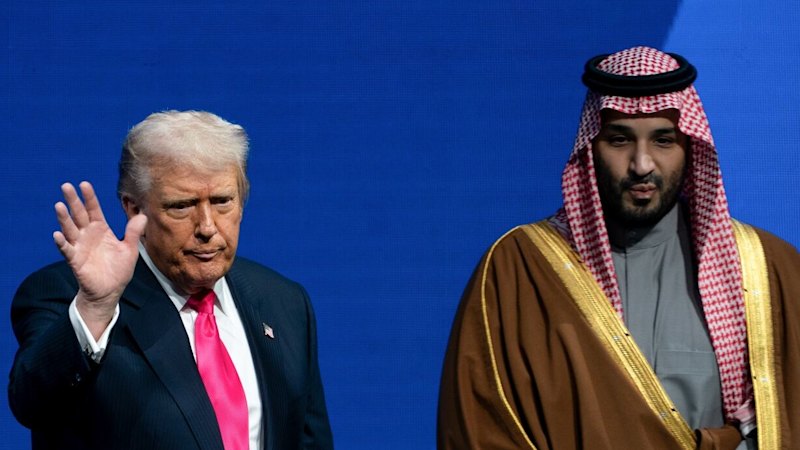
During the Trump administration, conversations around transferring American nuclear technology to Saudi Arabia accelerated. Approvals known as Part 810 authorizations were granted, allowing U.S. companies to share non-sensitive nuclear technical expertise with the kingdom.
Supporters argued that if the United States did not provide the technology, Riyadh would simply turn to other global powers—namely Russia or China—leaving Washington with zero oversight. Critics raised a different concern. They pointed to history.
When a superpower transfers advanced technical capabilities to a foreign capital, it loses control over what happens if the domestic political landscape changes ten, twenty, or thirty years down the line.
The Unseen Stakes
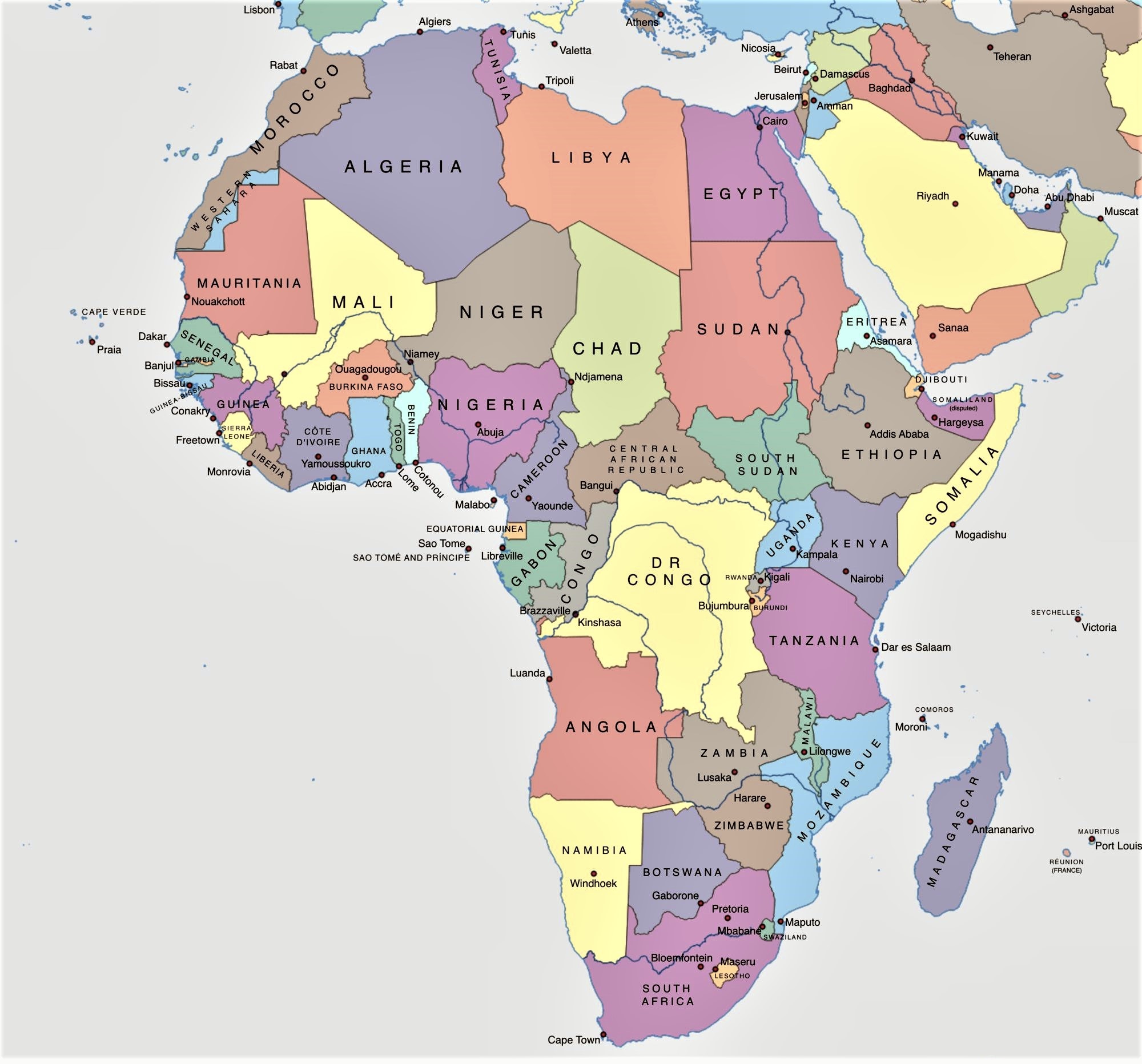
Consider the geometry of the region today.
Two powerful states, separated by a narrow stretch of water, each pursuing or maintaining advanced nuclear capabilities initiated through Western assistance.
Policy decisions made in air-conditioned rooms in Washington are often framed in terms of short-term economic gains and immediate geopolitical leverage. A nuclear sale means billions for defense and energy contractors. It cements a temporary diplomatic bloc.
Yet the true lifespan of nuclear technology outlasts administrations, treaties, and regimes.
When atoms are split, the physics remains indifferent to who holds power in the capital. The knowledge, once transferred, cannot be recalled. It sits in vaults, in computer servers, and in the minds of young engineers entering laboratories built with foreign aid.
The decision to share nuclear capabilities is never just a transaction of the present moment. It is an unrevocable mortgage placed on the future.