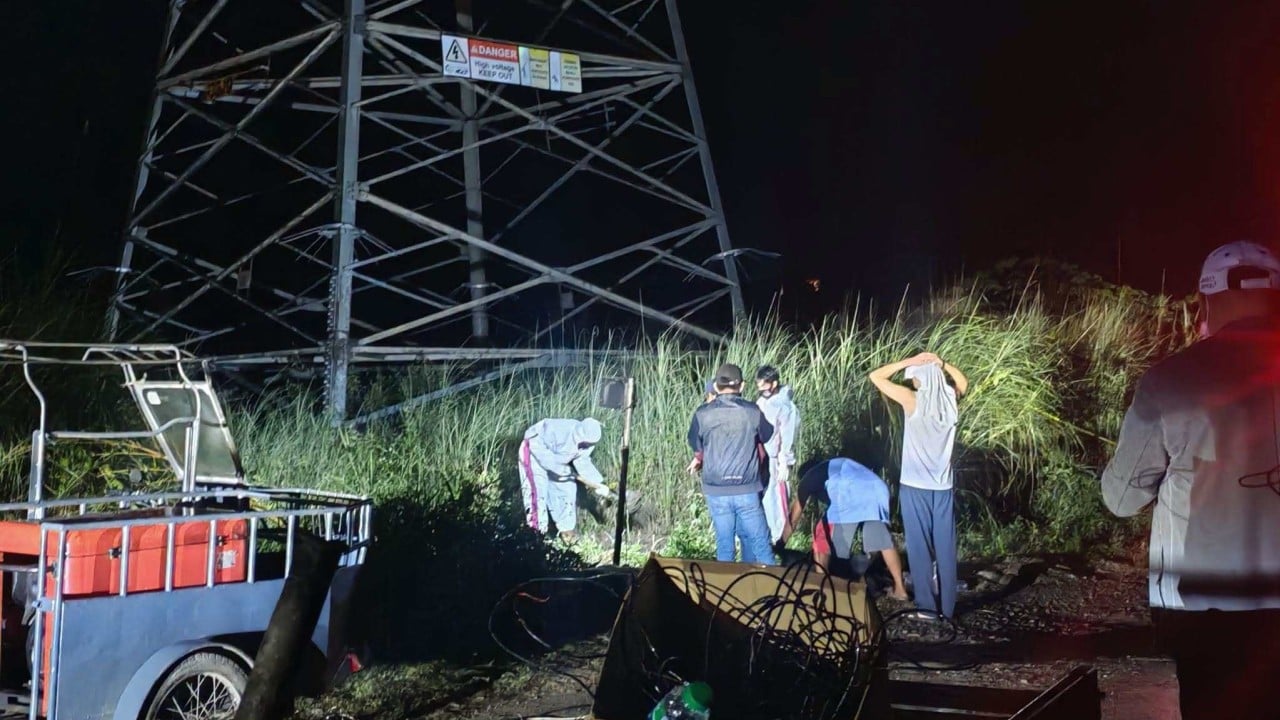
Public outrage over pet remains found dumped in sacks on a vacant Philippine plot exposes a structural failure in urban biohazard logistics, municipal enforcement, and informal waste economics rather than an isolated act of cruelty. When companion animals die in dense metropolitan zones without accessible, low-cost cremation or regulated burial infrastructure, disposal defaults to the path of least financial resistance. The incident demonstrates how regulatory gaps under the Philippine Ecological Solid Waste Management Act (Republic Act No. 9003) and the Animal Welfare Act (Republic Act No. 8485, as amended by RA 10631) interact with high private-sector disposal fees to push biological waste into unregulated open spaces.
The Structural Drivers of Illegal Carcass Dumping
Standard news coverage frames the discovery of bagged animal remains on vacant land purely through a moral lens, focusing on public shock and localized demands for police intervention. That framing misses the operational mechanics driving the behavior. In urban Philippine settings—particularly across Metro Manila and rapidly urbanizing provincial centers—the disposal of companion animal remains sits in a jurisdictional blind spot between household solid waste management and veterinary medical waste regulation.
Three primary market and regulatory distortions produce this outcome:
- The Cost Asymmetry of Legal Disposal: Private pet cremation and aquamation services in the Philippines operate largely as premium consumer offerings, pricing individual services well beyond the disposable income of median-income households. Even communal cremation options require transport logistics and upfront fees that exceed the perceived economic utility of compliance for low-income owners or small, undercapitalized clinics.
- Municipal Collection Exclusions: Local Government Unit (LGU) garbage haulers routinely reject animal carcasses during standard curbside collection routes. Under RA 9003, solid waste is segregated into biodegradable, recyclable, residual, and special waste. Animal remains technically require specialized handling to prevent pathogen transmission, yet most barangay-level Material Recovery Facilities (MRFs) lack cold storage, incineration capacity, or designated sanitary landfill cells for biological tissue.
- Zero-Cost Externalization via Vacant Land: Rapid urban sprawl leaves pockets of unmonitored, privately owned or disputed vacant lots adjacent to high-density residential zones. Where perimeter fencing, CCTV coverage, and barangay patrols are absent, the marginal cost of dumping a sealed sack at night approaches zero, while the immediate cost of legal compliance remains high.
This dynamic illustrates a classic negative externality in environmental economics. When the private cost of compliant disposal exceeds the expected penalty of illegal dumping—calculated as the probability of detection multiplied by the statutory fine—rational actors seeking to minimize immediate expenses externalize the biological and aesthetic costs onto the surrounding community.
Biological and Epidemiological Risk Vectors
Leaving animal remains inside sealed plastic sacks on open ground creates an acute public health hazard that differs fundamentally from standard municipal litter. Plastic containment accelerates anaerobic decomposition, trapping heat and moisture while preventing natural scavenging or rapid desiccation.
The resulting biological breakdown generates four distinct risk vectors for surrounding neighborhoods:
- Pathogen Proliferation and Zoonotic Spillover: Companion animals that die outside veterinary supervision frequently succumb to infectious agents, including canine parvovirus, distemper, leptospirosis, or rabies. While viral loads degrade over time post-mortem, bacterial pathogens such as Leptospira, Salmonella, and Clostridium species persist in soil and fluid runoff. When scavengers—stray dogs, cats, or rodents—tear open compromised sacks, they become mechanical and biological vectors, carrying pathogens back into human dwellings.
- Leachate Contamination of Surface and Groundwater: During tropical rainfall events common across the Philippine archipelago, decomposing tissue fluid mixes with rainwater to form biological leachate. On unlined vacant plots lacking drainage engineering, this nutrient-dense, pathogen-laden runoff infiltrates shallow groundwater tables or flows directly into open esteros and storm drains, elevating biochemical oxygen demand (BOD) and contaminating urban waterways.
- Vector Breeding Amplification: Liquefying organic matter inside punctured bags provides an ideal oviposition site for blowflies (Calliphoridae) and flesh flies (Sarcophagidae). Within 48 to 72 hours in ambient tropical temperatures exceeding 30°C, a single carcass can generate thousands of adult flies capable of transmitting enteric bacteria across a multi-kilometer radius.
- Aerosolized Compound Dispersion: Anaerobic breakdown releases volatile organic compounds, hydrogen sulfide, ammonia, and cadaverine. Beyond triggering immediate community complaints and social media outrage—which typically serves as the sole mechanism alerting authorities—prolonged exposure to concentrated decomposition gases degrades localized air quality in dense residential blocks.
Failure Points in the Regulatory Chain
Understanding how multiple carcasses end up bagged together requires distinguishing between individual household disposal and commercial or institutional dumping. A single household rarely accumulates multiple animal remains simultaneously. When investigators discover several sacks in a single location, operational logic points toward either a consolidated informal hauler, an unlicensed breeder, a overwhelmed shelter, or a non-compliant veterinary facility attempting to bypass medical waste disposal contracts.
Under Department of Environment and Natural Resources (DENR) Administrative Order 2013-22, infectious and pathological wastes from veterinary clinics fall under hazardous waste classifications (specifically M501). Licensed facilities must contract DENR-accredited transporters and treatment, storage, and disposal (TSD) facilities. That compliance chain imposes recurring fixed and variable costs. Unregistered clinics, backyard breeders, and informal pet boarders operate outside DENR permitting entirely. Without a legal paper trail linking the animals to a registered entity, tracing dumped sacks back to their origin relies almost entirely on forensic luck—such as microchips, collars, clinic-branded packaging, or nearby private security footage.
Enforcement breaks down across three institutional seams:
- Barangay-Level Capacity Deficits: Barangay officials serve as the first responders to sanitation complaints, yet they rarely possess the personal protective equipment (PPE), biohazard transport containers, or forensic training required to document evidence before clearing the site. Immediate cleanup destroys chain-of-custody evidence needed to prosecute violators under RA 9003 or local anti-dumping ordinances.
- Fragmented Agency Mandates: Animal cruelty falls under the Bureau of Animal Industry (BAI) and local veterinary offices; hazardous medical waste falls under the DENR Environmental Management Bureau (EMB); standard littering falls under LGU sanitation departments. When an incident involves dead animals rather than live abuse, jurisdictional handoffs slow investigation timelines until leads go cold.
- Penalty Deterrence Gaps: Fines under local littering ordinances are frequently too low to deter commercial-scale dumping, while higher penalties under national environmental or animal welfare statutes require evidentiary standards—such as eyewitness testimony or clear video identification—that unmonitored vacant lots rarely yield.
Operational Limitations of Reactive Enforcement
Relying on viral social media outrage to trigger reactive cleanups and ad-hoc police investigations treats the symptom while leaving the underlying logistics intact. Even aggressive enforcement campaigns face hard operational constraints:
- Spatial Substitution: Installing cameras or increasing patrols at one exposed vacant plot simply displaces illegal dumping to the next unmonitored lot, drainage canal, or peri-urban roadside. Without an affordable legal alternative, enforcement increases the travel distance of dumpers rather than eliminating the behavior.
- Evidence Degradation: In tropical climates, soft tissue decomposes rapidly, erasing identifying marks, surgical scars, or cause-of-death indicators within days. Unless a carcass carries an active RFID microchip registered in a centralized database—a practice still limited to a fraction of Philippine pet owners—linking remains to a specific owner or clinic is nearly impossible.
- Informal Sector Opacity: In many urban neighborhoods, residents pay informal waste collectors ("kariton" operators) small sums to haul away bulky or rejected items. A pet owner may pay an informal collector believing the remains will be buried properly, while the collector pockets the fee and discards the sack on the nearest empty lot. Prosecuting the end-dumper fails to address the upstream demand for low-cost removal.
Tactical Framework for Municipal and Veterinary Systems
Eliminating the dumping of animal remains requires closing the economic and logistical gap between household affordability and biosecure disposal. Local government units, veterinary associations, and environmental regulators must restructure the disposal pipeline around accessible drop-off infrastructure and strict commercial tracking.
1. Establish LGU-Subsidized Bio-Disposal Drop-Off Points
City and municipal veterinary offices should operate dedicated, low-cost cold-storage drop-off units at existing district veterinary clinics or barangay health centers. Charging a nominal, sliding-scale fee—or offering zero-fee intake for verified indigent residents—undercuts the informal dumping market immediately. Accumulated remains can then be transferred in bulk via accredited hazardous waste haulers to regional crematoria or engineered sanitary landfill bio-cells, capturing economies of scale that individual households cannot access.
2. Enforce Manifest Tracking on Veterinary and Breeding Entities
Local business permit renewals for veterinary clinics, pet shops, kennels, and grooming facilities must be tied directly to valid DENR hazardous waste manifests or receipts from accredited pet crematoria. By auditing the volume of medical waste manifests against clinic patient volume, LGU environmental officers can identify facilities generating suspiciously low disposal records before illegal dumping occurs.
3. Standardize Forensic Intake Protocols at the Barangay Level
LGUs must issue a mandatory Standard Operating Procedure (SOP) requiring barangay personnel to photograph the site, inspect sacks for clinic labels or collars, scan carcasses with universal microchip readers, and log GPS coordinates prior to removal. Equipping city veterinary teams with low-cost universal RFID scanners turns every recovered carcass into a potential investigative lead.
4. Mandate Vacant Lot Perimeter Security and Liability
Municipalities should enforce existing ordinances requiring owners of idle urban lots to maintain perimeter fencing and clear overgrown vegetation. Shifting a portion of the cleanup and biohazard remediation fines directly onto negligent property owners who fail to secure chronically dumped-on land aligns private property management with public sanitation goals.
The recurrence of bagged pet remains in Philippine urban centers is a predictable output of a broken waste-routing system. Outrage alone will not alter the cost curve of compliance; only cheap, frictionless municipal intake paired with strict commercial manifest enforcement will remove biological waste from vacant city plots.


