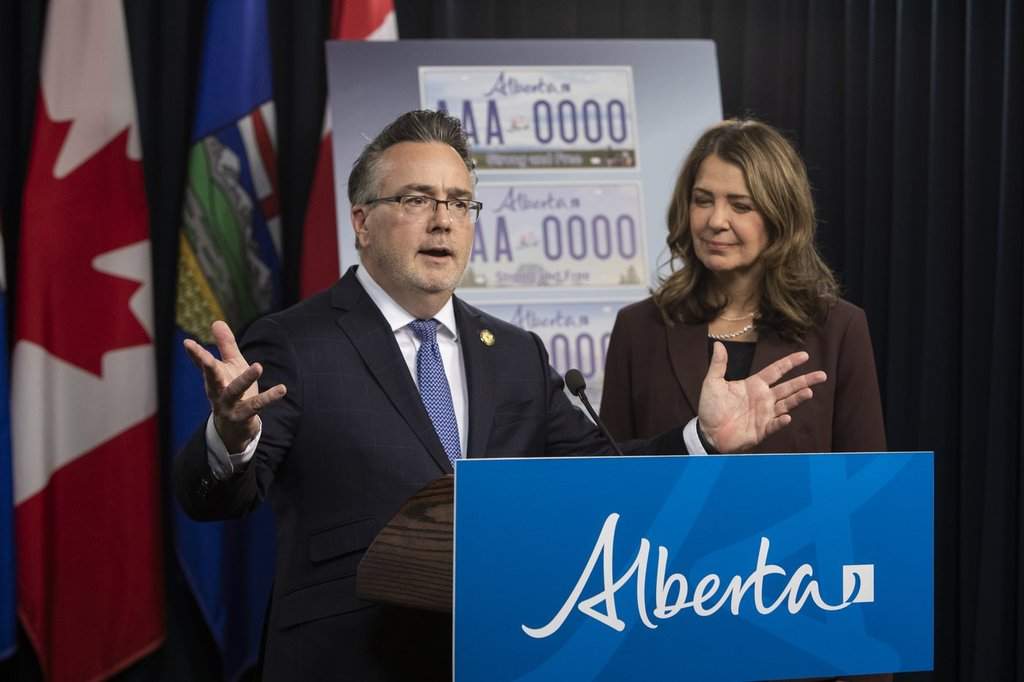
Taxpayers hate paying for politicians to drink whiskey. That's the blunt reality behind the controversy surrounding the Alberta government facing scrutiny over a bourbon distilleries tour in Kentucky. When public expense disclosures hit the light of day, voters don't care about diplomatic nuances or trade missions. They see government officials flying south, visiting famous distilleries, and billing the public purse while families at home deal with inflation and strained public services.
You've probably seen these stories flare up in Canadian politics before. A delegation books flights, hits a few iconic venues, and insists it was all strictly business. Yet the optics remain terrible. Let's look at why this specific trip drew so much fire, what officials actually claim they were doing in Kentucky, and how public accountability works when politicians travel on your dime.
What Actually Happened on the Kentucky Trip
Trade missions happen every single week across North America. Provincial governments routinely send cabinet ministers, deputy ministers, and staffers to the United States to promote energy, agriculture, and tourism. Alberta, in particular, maintains deep economic ties with American states, especially regarding oil, gas, and agricultural exports.
When records surfaced showing Alberta government representatives touring bourbon distilleries in Kentucky, critics immediately pounced. Opposition members and taxpayer advocacy groups questioned the legitimacy of visiting alcohol producers during an official government trip. Kentucky is world-famous for its bourbon industry, drawing millions of tourists every year to the Kentucky Bourbon Trail. Putting those stops on an official itinerary practically invites headlines about a taxpayer-funded vacation.
The core issue comes down to justification. Did Alberta need to send officials to Kentucky distilleries to advance provincial interests? Critics argued that touring bourbon facilities looks far more like leisure than high-level economic diplomacy. Defenders of the trip countered that agricultural trade, grain exports, and hospitality industry insights were on the agenda. Alberta grows massive amounts of barley, wheat, and rye—the exact grains distillers rely on to make whiskey. Still, explaining grain supply chains while standing inside a historic tasting room is a tough sell to a skeptical public.
Why Voters Lose Patience With Government Travel
Public trust in government spending is fragile. When people are budgeting carefully at the grocery store, seeing expense reports with flights, hotels, and hospitality charges triggers immediate anger. It doesn't always matter whether the dollar amount is a tiny fraction of a multi-billion-dollar provincial budget. Symbolism matters in politics.
I've watched municipal and provincial officials make this exact mistake for years. They assume that because a meeting is technically legal and follows internal travel guidelines, voters will accept it. That's a massive miscalculation. Taxpayers judge political travel by a simple standard: would a private business owner spend their own money on this trip and expect a clear return on investment?
If a Calgary grain exporter flies to Louisville to sign a supply contract with a distillery, nobody blinks. That's commerce. When government officials take a similar trip without concrete, measurable deals to show for it, people rightly ask why Zoom wasn't an option. Modern business happens over video calls every day. Flying an entourage across the continent requires a much higher bar of proof than "building relationships."
The Problem With Vague Trade Mission Goals
Governments love using broad language to justify travel. You'll hear phrases like "strengthening bilateral ties," "exploring market opportunities," or "sharing best practices." Honestly, those terms mean almost nothing to the average person paying income tax.
When a government faces scrutiny over an itinerary, vague talking points only make things worse. If officials visited Kentucky distilleries to study agritourism or promote Alberta rye, they should release the exact meeting logs, the specific business outcomes, and the names of the industry leaders they met. Without hard details, voters naturally assume the worst. Secrecy breeds cynicism.
How Alberta Expense Disclosures Work
One reason we even know about trips like this is because Alberta has strict public disclosure rules for travel and hospitality expenses. Following past scandals over political spending—most notably the fallout from high-profile flight controversies in the early 2010s—the province instituted mandatory online reporting for ministers and senior officials.
You can actually look up these records yourself on the Government of Alberta's open data portal. Every flight, hotel stay, meal, and taxi ride claimed by a minister or their staff gets published regularly. Transparency advocates like the Canadian Taxpayers Federation routinely comb through these databases to flag questionable charges.
Here's how that accountability loop usually plays out:
- Proactive disclosure drops: The government uploads quarterly or monthly expense receipts to a public database.
- Watchdogs and journalists dig in: Reporters and opposition researchers cross-reference travel dates with public calendars and itineraries.
- The optics test fails: Anything involving resorts, sporting events, alcohol, or luxury dining gets pulled out for public scrutiny.
- Damage control begins: Press secretaries issue statements defending the economic value of the trip, often failing to quiet the backlash.
Transparency works, even when it's uncomfortable for the people in power. Without mandatory disclosure rules, taxpayers would rarely find out how travel budgets get spent until years later through slow Freedom of Information requests.
Agricultural Trade vs Political Optics
Let's be fair for a second. There is a legitimate economic connection between Western Canadian agriculture and American distilling. Canada produces some of the highest-quality rye and barley in the world. Many American whiskey makers source Canadian grain because of its consistency and flavor profile. Furthermore, Alberta has a growing craft distilling sector of its own, alongside a booming agritourism industry that looks to places like Kentucky and Napa Valley for inspiration.
Understanding how Kentucky turned bourbon production into a massive tourism engine isn't a crazy idea on paper. Kentucky's bourbon industry generates billions in economic impact and brings in travelers who spend money at hotels, restaurants, and local shops. For a province looking to diversify its economy beyond oil and gas, studying successful hospitality models makes a certain amount of sense.
The failure wasn't necessarily the concept of agricultural diplomacy. The failure was ignoring how terrible it looks to put a distillery tour on the public tab without ironclad proof of economic return. Politicians get paid to understand public perception. If you're going to visit a bourbon distillery on a government trip, you better come home with a signed trade agreement or a clear investment announcement—not just a couple of nice photos and a vague promise of future collaboration.
What Taxpayers Should Demand Going Forward
Scandals over government travel expenses rarely end with someone getting fired, unless rules were explicitly broken. Instead, they serve as a warning shot to cabinets across the country. Voters are watching, and tolerance for perceived perks is sitting at rock bottom.
If you want to hold elected officials accountable for how they spend public money, don't just get mad at a single headline. Look directly at the source data. Visit the Alberta government's public disclosure portal and search the expense reports for your local MLA or cabinet minister. Check the receipts, read the listed purpose of each trip, and compare the costs against actual legislative or economic results. When politicians know citizens are actively reading the spreadsheets, they think twice before booking the next questionable itinerary.