Walk into the United Nations General Assembly and you'll hear plenty of speeches about equality among nations. But walk past the doors of the Security Council, and that equality vanishes entirely. Five countries hold permanent seats and absolute veto power. A continent of over one billion people has zero permanent members.
African leaders are tired of watching global decisions about peace, security, and development made without them. While nations like the Democratic Republic of Congo, Liberia, and Somalia hold elected two-year non-permanent seats, temporary representation isn't enough when you're dealing with structural global crises that affect your backyard more than anyone else's.
The Core Problem With the 1945 Setup
The current architecture of the UN Security Council was built at the end of World War II. The victors carved out permanent power for themselves, freezing the geopolitical reality of 1945 into a permanent rulebook.
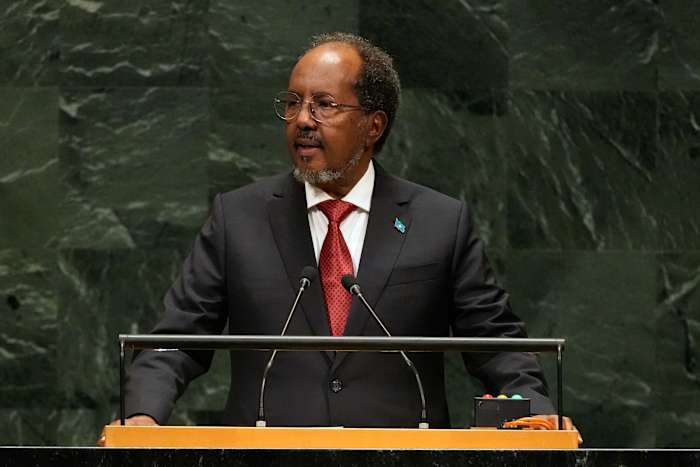
Decades later, that structure looks absurd. Africa accounts for a massive chunk of the UN's membership and handles the vast majority of the council's peacekeeping agendas, yet it lacks any permanent authority to shape those missions from the inside. Kenyan President William Ruto put it bluntly during the UN General Assembly debates, pointing out that while every nation is supposed to be sovereign and equal under the charter, that equality abruptly stops at the security council doors.
Liberian President Joseph Nyuma Boakai echoed that sentiment, calling the historical imbalance untenable and arguing that fixing it is necessary to restore basic institutional trust and credibility.
What the Ezulwini Consensus Demands
This isn't a new complaint. Back in 2005, the African Union united behind a clear framework known as the Ezulwini Consensus. The platform demands at least two permanent seats with full veto power for African nations, alongside five non-permanent seats.
The logic is simple. If the Security Council wants to claim legitimacy when intervening in global conflicts, it can't keep locking out an entire continent from the command room. Right now, decisions made by Washington, Moscow, Paris, London, and Beijing dictate outcomes across regions where African states bear the immediate humanitarian and security consequences.
The Brutal Math of UN Charter Reform
Wanting a seat and getting one are entirely different things. Changing the makeup of the Security Council isn't something you can do with a simple majority vote or a polite resolution.
According to Article 108 of the UN Charter, any structural reform requires a two-thirds vote of the General Assembly membership. After that high hurdle, the amendment must be ratified by two-thirds of member states, which must include all five permanent members of the Security Council.
That's where the diplomatic machinery grinds to a halt. Handing out permanent veto power dilutes the exclusive influence that the existing five powers currently enjoy. While countries like the United States, Russia, China, France, and the UK routinely offer rhetorical support for expanding the council to include developing nations, signing off on a binding charter amendment that clips their own exclusive leverage is a completely different game.
Why This Fight Matters Right Now
The push for reform isn't just about prestige or symbolic representation. It's about practical survival. When global supply chains break, food security collapses, or regional conflicts flare up, the current council often locks up due to competing vetoes among the existing permanent members.
Giving Africa a permanent seat changes the negotiating table. It injects perspective from nations that actually understand local security dynamics instead of relying on external analysis from capitals thousands of miles away.
The pressure from African diplomats isn't going away. As long as the Security Council pretends it can manage twenty-first-century global security with a mid-twentieth-century management board, its credibility will keep eroding. The debate has shifted from whether the institution needs fixing to how long the current powers can afford to ignore the obvious.